Urban Forest Restoration
Native Forest Restoration specializes in urban forestry in the greater Atlanta metropolitan area. Many invasive plant species are still being sold by nurseries and planted by unknowing landscapers and gardeners. The first step is to stop planting these species and have a plan to remove existing invasive plants. Consulting with an urban forest restoration expert will determine which plants are actually harming the environment and which plants can benefit the environment.
Native plants and animals have harmonized for tens of thousands of years in the piedmont of Georgia. Invasive species throw off the harmony because native animals and insects have adapted to the native plants and trees for food, habitat, and reproduction. If there aren’t any native plants for insects to eat and breed, then the population will surely decline. Animals that rely on those insects for food can’t eat and the food chain is disrupted. Biodiversity of native wildflowers, trees, and shrubs will decline and the landscape will change drastically.
Right Tree Right Place
Choosing the correct species of tree is key to sustaining a healthy tree canopy in urban areas. Selecting the correct tree species for urban forestry requires balancing site conditions, community needs, and long-term ecosystem benefits: choose species adapted to local climate, soil type, and available rooting space to reduce maintenance and mortality; prioritize native trees to support local wildlife, pollinators, and soil health while considering drought and pest resilience amid changing climate; match tree size and canopy form to planting location to avoid conflicts with utilities, sidewalks, and buildings; assess growth rate and lifespan to align with management capacity and desired canopy targets; and diversify species and age classes across the urban forest to reduce risk from pests, disease, and extreme weather while maximizing ecological and social benefits.
Integrated Pest Management
Integrated Pest Management (IPM) is essential to urban forestry in the Southeast United States because it provides a science-based, adaptive approach to protecting tree health while minimizing environmental and human health risks; by combining regular monitoring, accurate pest identification, biological controls, habitat management, and targeted, low-toxicity treatments, IPM reduces reliance on broad-spectrum pesticides that can harm beneficial insects, water quality, and surrounding native vegetation, helps manage regionally important threats such as emerald ash borer, laurel wilt, and various scale insects, and promotes long-term resilience of urban tree canopies in the face of a warm, humid climate that favors pest outbreaks and invasive species — ultimately preserving ecosystem services like stormwater interception, heat reduction, and wildlife habitat for Southeastern communities.
Find information on invasive plants in georgia
find information on invasive plants in united states
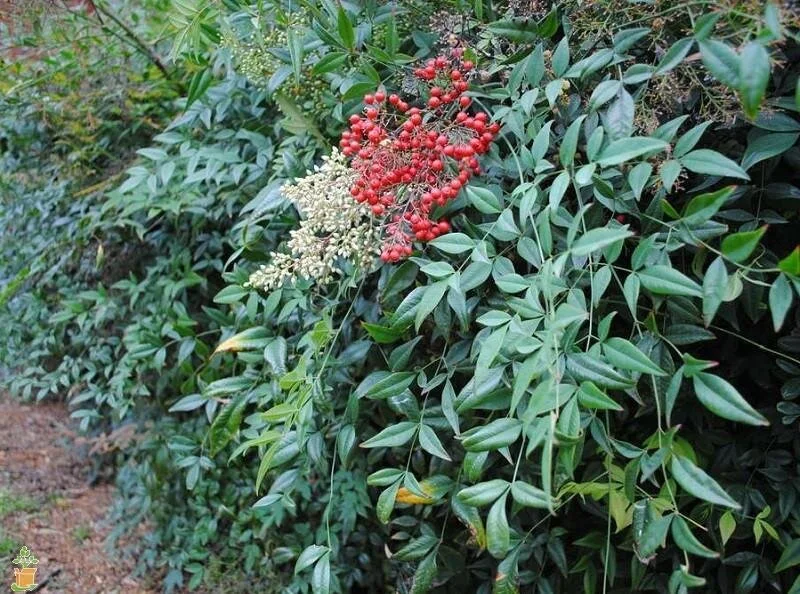
Nandina domestics also known as heavenly bamboo
Nandina is toxic to birds and can kill cedar waxwings which is a native bird to Georgia.